
Sustainability Isn’t Enough: What It Takes To Drive Real Behaviour Change
Sustainability Isn’t Enough: What It Takes To Drive Real Behaviour Change
For years, sustainability has been positioned as the answer.
If we make better products.
If we reduce harm.
If we communicate transparently.
Surely people will choose differently. Right?
Well, sadly no, not right.
At least not at scale.
Not consistently.
Not when it costs more.
Not when it feels less convenient.
And especially not when it requires giving something we love up.
Shaming and blaming consumers (“stop eating meat”, “stop taking the plane or driving your car”) simply doesn’t work.
As consumers, we are not lacking awareness.
We know the planet is under pressure.
We know our choices matter.
But the reality is that most of us don’t want to compromise, even if it is “the right thing”.
Because here’s the uncomfortable truth:
Sustainability appeals to the conscience.
But it is desire that moves behaviour.
From Preaching to Tempting
A great example of this shift comes from Bold Bean Co. In the early days, the founder, Amelia Christie-Miller explains that the brand focused heavily on sustainability messaging: soil regeneration, climate benefits, food security. All deeply important issues that were core to her founding the brand — but they weren’t resonating with her client base.
Everything changed when a creative mentor challenged her approach:
Stop telling people beans are good for the planet and start making them desperate to eat them!
The brand pivoted from preaching to tempting. Instead of leading with sustainability and telling people to stop eating meat, they started celebrating flavour, pleasure and the simple joy of eating beans straight from the jar. They even share recipes that include meat. The point is not to tell people to stop doing something they love, but to tempt them to eat more beans — because that’s what helps improve soil regeneration and is better for health.
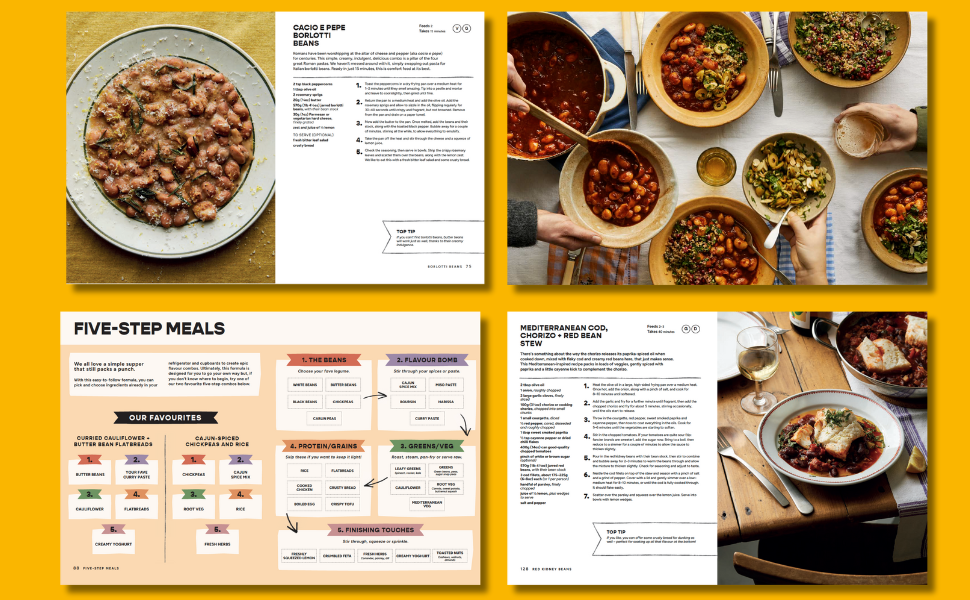
That’s the difference between preaching to the conscience and designing for desire.
The Illusion of “Less Bad”
Many sustainability efforts still fall into the same trap.
Less plastic.
More natural ingredients.
A reduced footprint.
These are all making steps in the right direction but they’re not transforming their categories.
Making things “less bad” simply isn’t enough to stand out anymore.
And in saturated categories like beauty, fashion and food — blending in is the fastest path to irrelevance.
Sure, large multinationals can afford to optimise.
They have scale, distribution power, and advertising resources on their side.
Smaller, impact-driven brands do not.
You don’t win by being slightly better at the same game.
You win by changing the game.
The Opportunity Hidden in Plain Sight
Let me ask you this.
What if sustainability isn’t the differentiator?
What if the real opportunity is in disrupting what exists?
Not layering ethics on top of existing models.
But rethinking the category from the ground up.
Because the brands shaping the future are not asking:
“How can we be less harmful?”
They’re asking:
“How can we shift the status quo entirely?”
That question changes everything.
What Positive Disruption Really Means
Positive disruption is not about destruction, shock tactics or chaos.
And it doesn’t require breakthrough new innovation in a category.
Positive disruption happens when brands stop optimising the existing system and start redesigning it so that the “right choice” — the sustainable and ethical choice — becomes the most desirable one.
Positive disruption can show up in three ways.
-
By creating a new value equation
Instead of improving what exists, positively disruptive brands rethink the offer entirely.
Air Up didn’t launch a low-sugar or low-calorie alternative to soft drinks. It created scented flavour pods that make drinking water playful and exciting — turning hydration into a completely different experience.
-
By making better behaviours aspirational
Instead of asking consumers to sacrifice, they make the better choice feel more desirable.
Oatly didn’t ask people to give up dairy out of guilt. It made oat milk rebellious, playful and culturally cool — transforming a niche alternative into a mainstream lifestyle choice.
-
By shifting category norms
Instead of competing within the rules, they raise the standard for the entire industry.
Tony’s Chocolonely is, at first glance, simply chocolate. But by committing to fully traceable cocoa and actively campaigning to eradicate child labour, it has pushed the entire chocolate industry to confront its supply chains.
Positive disruption is definitely not the easy path.
It requires saying no to shortcuts that deliver short-term growth but undermine long-term credibility.
It requires leaders who are willing to think differently about what success means.
It requires challenging assumptions that have quietly shaped industries for decades.
Redefining What Luxury Means
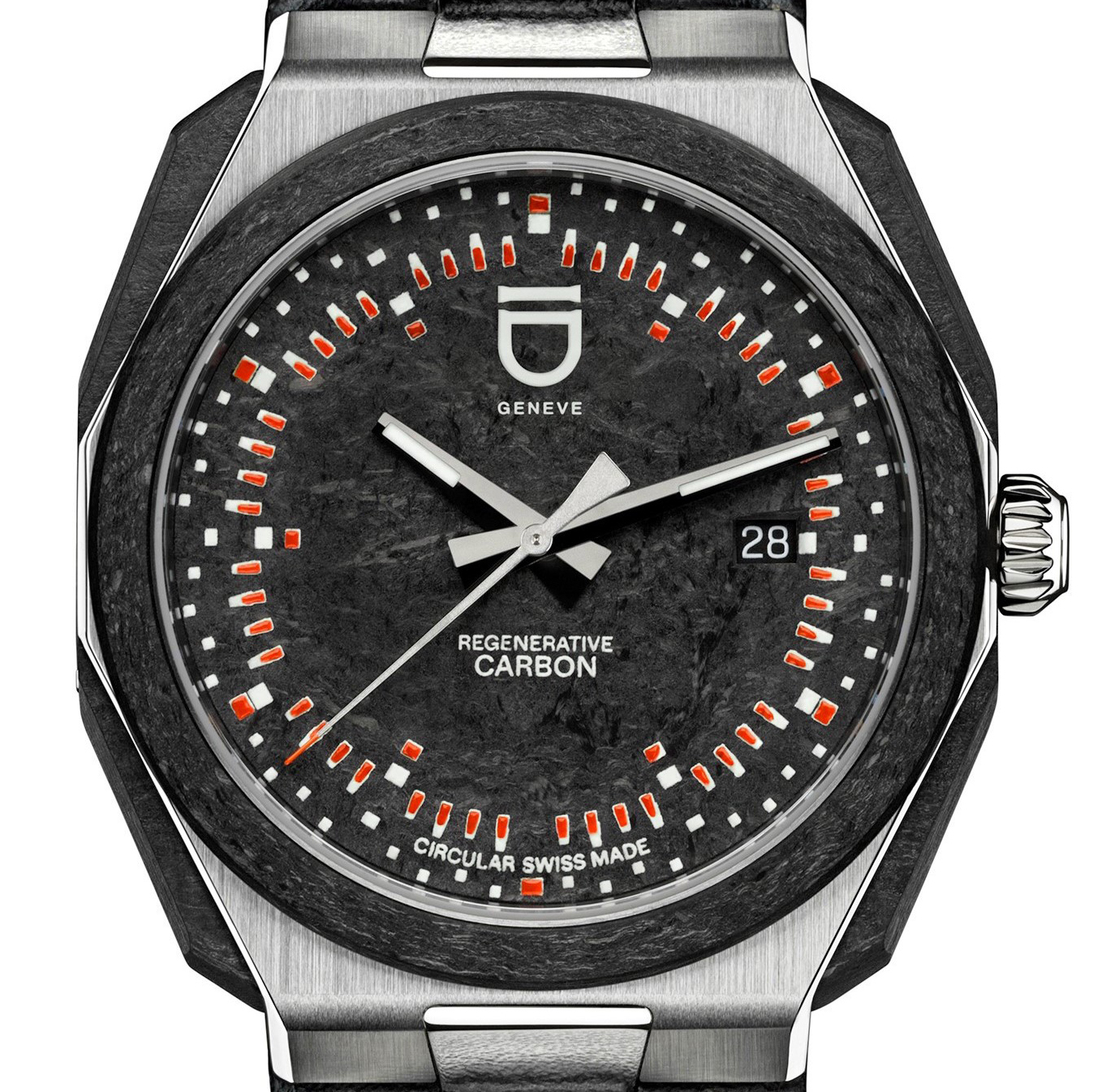
Take ID Genève, a start-up in luxury watches, which is taking the industry by storm. Instead of treating sustainability as a side story, the founders set out to challenge one of luxury’s deepest assumptions: that true luxury requires virgin materials. By creating high-end watches using recycled steel and circular materials, the brand reframes sustainability not as compromise, but as the future identity of luxury itself.
The Leadership Moment
Categories don’t redesign themselves.
Markets don’t evolve on their own.
Brands shift when leaders choose to shift within themselves.
It’s the moment a founder decides:
We’re not here to participate.
We’re here to redefine.
The opportunity isn’t just to make your brand more sustainable.
It’s to think bigger about the role your category could play.
To be bold enough to question its assumptions.
To act brave enough to build differently from day one.
That’s not a marketing tactic.
It’s a leadership decision.
Sustainability alone will not define the next decade.
But brands willing to courageously redesign their categories just might.
Because real behaviour change doesn’t happen when people feel guilty.
It happens when the better choice becomes the one they genuinely want.
And for impact-driven brands, that may be the most powerful choice available.
What’s one assumption in your category that deserves to be challenged?
—
This is the thinking I bring into my strategic partnerships with founders who are ready to redesign their categories — not just compete within them. If that’s you, I’d love to connect. You can reach out directly at: [email protected]

